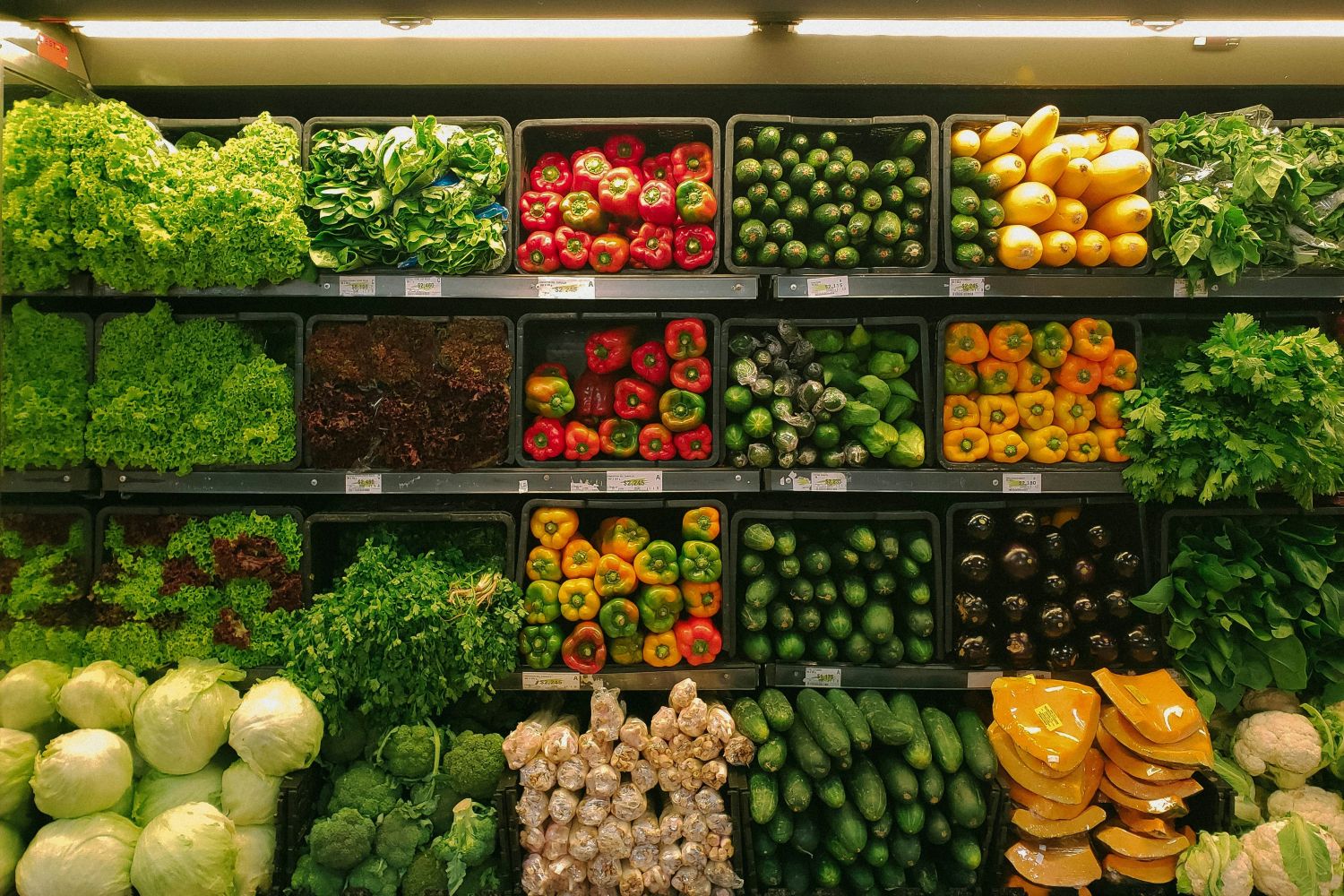
With the issue of Cyclospora dominating the news this summer and how it affects the safety of the lettuce we eat, we welcome Indu Upadhyaya to the podcast. Here at UConn, she leads the Food Safety Team in the College of Agriculture, Heath and Natural Resources. Her expertise includes food safety education for farmers, processors and consumers and safe food handling from farm to table, Indu is a native of India, where she earned her doctor and master’s of veterinary medicine. She then earned a doctorate from UConn in animal science with a focus on food safety and microbiology. Indu did a post-doctorate at the University of Arkansas and was a professor at Tennessee Tech before returning to UConn. UConn has also produced a webpage to educate people on Cyclospora and its dangers.
Listen to Episode 168 on Podbean
Mike: Hello, everybody. Welcome to another episode of the UConn 360 Podcast. It’s August, which is hard to believe. This is Mike Enright from University Communications, along with Izzy Harris from University Communications. Hi, Izzy.
Izzy: Good morning, Mike.
Mike: You know what I love in the summertime?
Izzy: A cold Caesar salad.
Mike: A cold salad?
Izzy: Okay. I’m a Caesar girl.
Mike: I like Caesar. I like chicken Caesar salad. But based on who our next guest is, I may have to change some things.
Izzy: I know. That would be unfortunate, but maybe she has some positive news to share with us today.
Mike: I hope so. I hope so. Our guest today, we’re very lucky to have her, is Indu Upadhyaya. She’s a food safety specialist for UConn Extension, in the College of Agriculture, Health and Natural Resources, and she’s an assistant professor of poultry science and food safety. Remember that part, folks. Food safety. So, Cyclospora has dominated the summer news cycle, in addition to the Red Sox getting back in the playoff hunt, but that’s a whole different thing.
Izzy: Had to add that in there.
Mike: Had to add that in. So, Cyclospora affects the lettuce that we eat, so we welcome Indu to the podcast to talk a little bit about that. That’s her expertise, food safety education for farmers, processors, and consumers, and safe food handling from farm to table.
Indu’s a native of India, where she earned her doctorate and master’s in veterinary medicine. She then earned a doctorate from UConn in animal science with a focus on food safety and microbiology. She did a postdoc at the University of Arkansas, was a professor at Tennessee Tech, and came back to UConn. So, Indu, thanks for joining us today and thanks for spending a little bit of time talking about this really important topic.
Indu: Thank you for having me.
Mike: So, tell us, in basic terms, what Cyclospora is. What is it? How did it come to be? How did it come to be the latest thing everyone’s talking about? Is it primarily in lettuce? You know, give us a little background about it.
Indu: Yeah. Cyclospora definitely has been a hot topic so far. It’s a microscopic parasite that causes foodborne illness, and the illness itself is called cyclosporiasis. Unlike bacteria like Salmonella and E. coli, this is actually a parasite. It’s commonly linked to fresh produce such as lettuce, cilantro, and basil. I think spinach and berries also have been implicated in this recent outbreak.
But this particular recent outbreak has been in iceberg lettuce. Cyclospora is associated with foods that are often eaten raw. One interesting thing about Cyclospora is that it does not come directly from animals. It is a human-to-human transmission. Humans are the only known host, especially for Cyclospora cayetanensis.
This parasite gets into the environment through human fecal contamination. So, it could be irrigation water, or it could be during handling, somewhere along the production chain. Another important feature of this particular parasite is it isn’t immediately infectious when it leaves the body.
It takes several days to weeks for it to become infectious in the environment, and then we ingest it on fresh produce or in contaminated water. That’s why person-to-person spread is quite uncommon. Most infections that you’ll see are when, you know, contaminated produce or water are consumed, and especially because fresh produce in summer, lettuce, we don’t cook it, right?
If contamination occurs, either before harvest or during processing, the parasite can survive all the way and reach our dinner plate still. Recently, I think in Connecticut, the number of cases has been more than 60, and we are still tracking this outbreak. That’s why it’s important that all consumers are aware of what the recall notices are and what the Connecticut Department of Public Health says.
Izzy: Okay. So, I personally have a lot of questions about Cyclospora because it’s all over my news. It’s all over my Instagram, TikTok.
Indu: True.
Izzy: Yes. Mm-hmm. And a lot of people are worried, and I’m wondering what happens to people if they eat a food that is contaminated with Cyclospora, and what are the early symptoms of the sickness? Is there something that people should do if they think that they might have it?
Indu: Yes. I think, again, this parasite has been difficult to trace because of this particular reason. Symptoms can take anywhere from one week to two weeks in a person who has ingested this parasite. Once you’ve eaten the contaminated food, it could be anything from two to 14 days.
And the hallmark of this disease is, as I’m sure you have heard on your social media, explosive watery diarrhea.
Izzy: Wow, that really creates a picture in your brain.
Indu: But this can be quite prolonged, and people can also have stomach cramps, bloating, nausea, fatigue, weight loss, and sometimes even a low-grade fever.
Unlike many of the foodborne illnesses, which sort of resolve within a day or two, this one can go on for weeks, and then it will come back. You seem like you’re improving, but then it comes back, and then it continues the cycle. It could go on for several weeks then. Especially if you leave it untreated, you could get dehydrated, and then hospitalizations can occur.
So, we really don’t want to leave it to that stage. So, if someone develops, like diarrhea, persistent diarrhea, especially if you have eaten fresh produce, you know that you have eaten fresh produce. Again, it is so difficult to trace down because you might have been in, like, Thailand or Europe and eaten fresh produce there.
You came back within a week. You don’t know what you ate. You don’t remember. But if you have traveled and you’re having these symptoms, contact your health provider immediately. Make sure that you tell them that you have been traveling and that you tell them that you potentially had some fresh produce and that you are staying hydrated, because it’s equally important that your physician knows that these are the symptoms.
Cyclospora is actually a reportable disease in Connecticut, and so you need to tell your provider to check for Cyclospora specifically, otherwise they won’t check for it in your stool. So, tell them that you need to check for it because it requires specific lab testing. And also, if you test positive, then you will have a specific antibiotic that your health provider will give you.
It’s treatable, you know. I believe trimethoprim-sulfamethoxazole is the antibiotic of choice, but you need to consult your health provider for it. Routine stool cultures will not show Cyclospora, so you have to ask for Cyclospora. So, I think that’s the best way to deal with it if you feel you think you might have Cyclospora.
Izzy: It sounds like the gift that just keeps on giving. It sounds…
Mike: Well, let’s face it, it sounds awful.
Izzy: Yeah, it does sound awful. So, do you think that people should avoid eating lettuce right now? Is there a way to tell what lettuce has it and what doesn’t?
Indu: No. I mean, as a food safety person, I don’t think that you can… I would recommend avoiding lettuce altogether. Leafy greens are really important nutritionally. It’s part of a healthy diet, and, you know, the majority of fresh produce is perfectly safe. The challenge is that you really cannot see Cyclospora on fresh produce, right? A contaminated head of lettuce looks exactly like a safe one.
So, during outbreaks, I think it is important that you follow the guidelines that the CDC gives you, the FDA gives you, so that you know which specific products to identify. Or if there’s a farm that has been implicated, or there are growing regions specifically linked to illnesses, then you avoid those.
You know, the best way to approach it is, purchase produce from reputable sources that you know are not implicated. Refrigerate them properly. Make sure you wash your produce. Although washing does not specifically kill the parasite, there is no evidence that suggests so, but it is better than not washing.
If you have a recalled product at your home, make sure that you’re not trying to wash and eat it still. Just throw out the recalled product. Do not try to salvage it. That’s not food waste, it is just being more conscious about your own health. And then, you know, like I said, some dirt, some contamination will definitely be gone from the fresh produce.
I’m also recommending that if you’re not a fan of fresh produce all the time, just cook your food to 158 degrees Fahrenheit. That’s the recommended temperature that the CDC has provided. But I know a lot of people who are still eating salads, but they’re just being more mindful of where they’re getting them from, so it’s really okay.
For immunocompromised hosts or the elderly, or, you know, pregnant women who are more susceptible to any kind of pathogen, just be more careful and avoid potentially recalled products.
Mike: So, will this go away at some point? I mean, or is it something that’s always existed and it’s just peaking right now, or does it naturally disappear?
Indu: Cyclospora is actually a very seasonal illness in the United States. It peaks in the summer more, you know, late spring and summer months, because that’s when fresh produce consumption sort of increases, and environmental conditions favor this parasite to grow because it does have one of its life cycles in the environment, right?
Because the outbreaks come out, these gradually decline as contaminated products are identified by the CDC, by the local regulations, and, you know, they are mostly removed from the marketplace. All the agencies are doing their due diligence, and as the implicated growing season ends, it just becomes better because people are more careful.
The parasite doesn’t just disappear, but because of the public health investigations, improved sanitation, safer irrigation water, because people are now knowledgeable about it and they are taking more precautions, they are removing the contaminated product that is out there. All of these sort of help the outbreaks come under control.
So, although we’ll still see, like, some sporadic cases, most people are being vigilant, and the overall number usually would decline as we move into the fall. That’s been a normal trend in the past few years.
Izzy: So, it’s good to know that it is seasonal. We’re probably going to see declining numbers in the coming months, so those are positive things that we can look forward to with this.
In your UConn bio, you say that you enjoy trying different cuisines. What are some of your favorites, and what have you tried lately?
Indu: Oh, God. Okay. I’m a vegetarian, so I really like trying some of the Asian cuisines, Indian cuisines, Mexican and Mediterranean cuisines. I like spicy food. Coming from India, I think that was my go-to.
And I also, you know, like trying new places. My family likes to try seafood a lot, and, you know, I enjoy some of the vegetarian sushi, I should say. But yeah, I think recently I went to a hibachi restaurant and loved it. And yeah, those are some of the things I like to try. Yeah.
Mike: So, we’re obviously in barbecue season, and people are barbecuing meat, chicken, fish, poultry, whatever they like.
What are some of your big things? Like, if you see somebody do something from a food safety standpoint, what’s the thing that makes your skin crawl the most?
Or can you even, like, go out? Or are you always worried about food safety, or can you actually enjoy yourself when you eat?
Indu: I do enjoy myself, and I eat because, you know, I mostly, in my own home, have a few habits that, you know, are a food safety culture that you develop at home, and then you continue it outside, right? So, I try to maintain that. And summer grilling is wonderful. I like barbecue parties. There are some steps that I always recommend.
Wherever I go, I become, you know, the food safety person of that particular party, which sometimes annoys people, but sometimes it’s also taken well so that nobody gets sick. I make sure that, when the raw food and the cooked food are not separated, that is the place where my skin starts to crawl because, basically, you’re cross-contaminating.
Cooked burgers should not be kept back on the same plate as the plate that held them raw. That’s just, you know, it really did not help that you cooked. And then always use, like, a food thermometer. I recommend that, especially if you’re having meat like poultry. It should reach almost 165 degrees Fahrenheit.
Ground meat is 160 degrees Fahrenheit. All the other meat should be cooked to their recommended safe temperatures. If you have cold food, then leave it refrigerated until it’s time to cook. That’s another thing. If the food has been lying there for more than four hours, that again is one of my pet peeves.
I’m like, “No.” So, you know, make sure, and then washing of hands. That is so important, especially, I see kids, they just run around during a barbecue, play in the sand and mud, and then they just go grab a celery stick and start to eat.
I’m like, “No, I think you should go and wash your hands, please.” I’m trying to be everybody’s mommy there, which is probably not a good thing, but it’s just the hazards of being in this job. I like to enjoy my food. Food should really be enjoyed. Food safety is simply giving you the confidence to enjoy your food.
So, make sure that you’re following these few steps, and you can enjoy any kind of food.
Mike: Okay, before we finish up, we’re going to play a game. You ready, Izzy?
Izzy: Yeah.
Mike: Okay. So, we grill or barbecue chicken on a grill.
Izzy: Oh, this isn’t a game.
Mike: Yes, it is.
Izzy: Okay, keep going.
Mike: We grill some chicken.
Izzy: Mm-hmm.
Mike: We have our nice dinner, and we have some leftovers.
Izzy: Uh-huh.
Mike: We put two or three chicken breasts in a Tupperware container and put it in the refrigerator. How long do you keep it in the refrigerator before you throw it away? And we’re going to go through, we’re each going to answer, and Indu, our expert, will give her answer, and we’ll see how we do.
How long do you keep food in a Tupperware container in the refrigerator?
Izzy: Oh, I don’t know. I feel like I would eat it in the three to five-day range.
Mike: After five days, you throw it away.
Izzy: I mean, maybe I would, like, give it a sniff and see if it seems okay.
Mike: I go, like, two weeks.
Izzy: Yeah, my dad goes way longer.
Mike: Yeah, yeah. I go two weeks.
Izzy: Okay.
Mike: Basically, I never throw any food away.
Izzy: Right.
Mike: Unless it’s got, like, mold on it.
Izzy: Yeah.
Mike: And even then, I cut it off and use it.
Izzy: Yeah, I think that you should…
Mike: So, you’re more in the three to five-day range.
Izzy: Yeah, I think you should highly reconsider.
Mike: I’m more in the three to five-week range.
Izzy: No comment.
Mike: All right, Indu, what’s the right answer? Or what’s, no, first of all, what’s your honest answer, and what’s the right answer? And I’m guessing you, being the expert, will do the right thing.
Indu: Sure. This is cooked meat that you’re talking about.
Mike: Yes. This is cooked meat. We’ve had a very lovely barbecue.
Indu: Okay. Mm-hmm.
Mike: We’ve got leftovers.
Izzy: I hate to say it. It doesn’t matter how lovely the barbecue is. Three to five weeks is not good.
Indu: I would say eating it within the week. Or…
Mike: Oh, a week. That’s not bad.
Indu: I would have been on the side of Izzy. Three to five days.
Mike: I’m probably exaggerating three to five weeks. Yes. But it makes for good podcasting.
Indu: Three to five days.
Izzy: I really hope so.
Indu: Yes. But you can freeze it, though, and keep it for longer. Yeah, that’s what… And then… That’s what… Thaw it… That’s… And refrigerate it, and then, you know, cook it…
Mike: It’s way too much work.
Indu: Or reheat it…
Mike: Way too much work.
Indu: Immediately.
Mike: But, so, well, Indu, thank you very much for joining us today. And I know we had a little fun here at the end, but this is a pretty important topic, a very important topic. And we always, whenever we have guests on from UConn Extension, it provides such a valuable service to our state.
So, thank you for everything you guys do at UConn Extension.
Indu: Thank you so much. Thanks for having me. This was so much fun.
Mike: All right, Izzy. Safe eating.
Izzy: I’ll try. Remember, three to five days, not three to five weeks.
Mike: We’ll talk to you next time on the podcast.